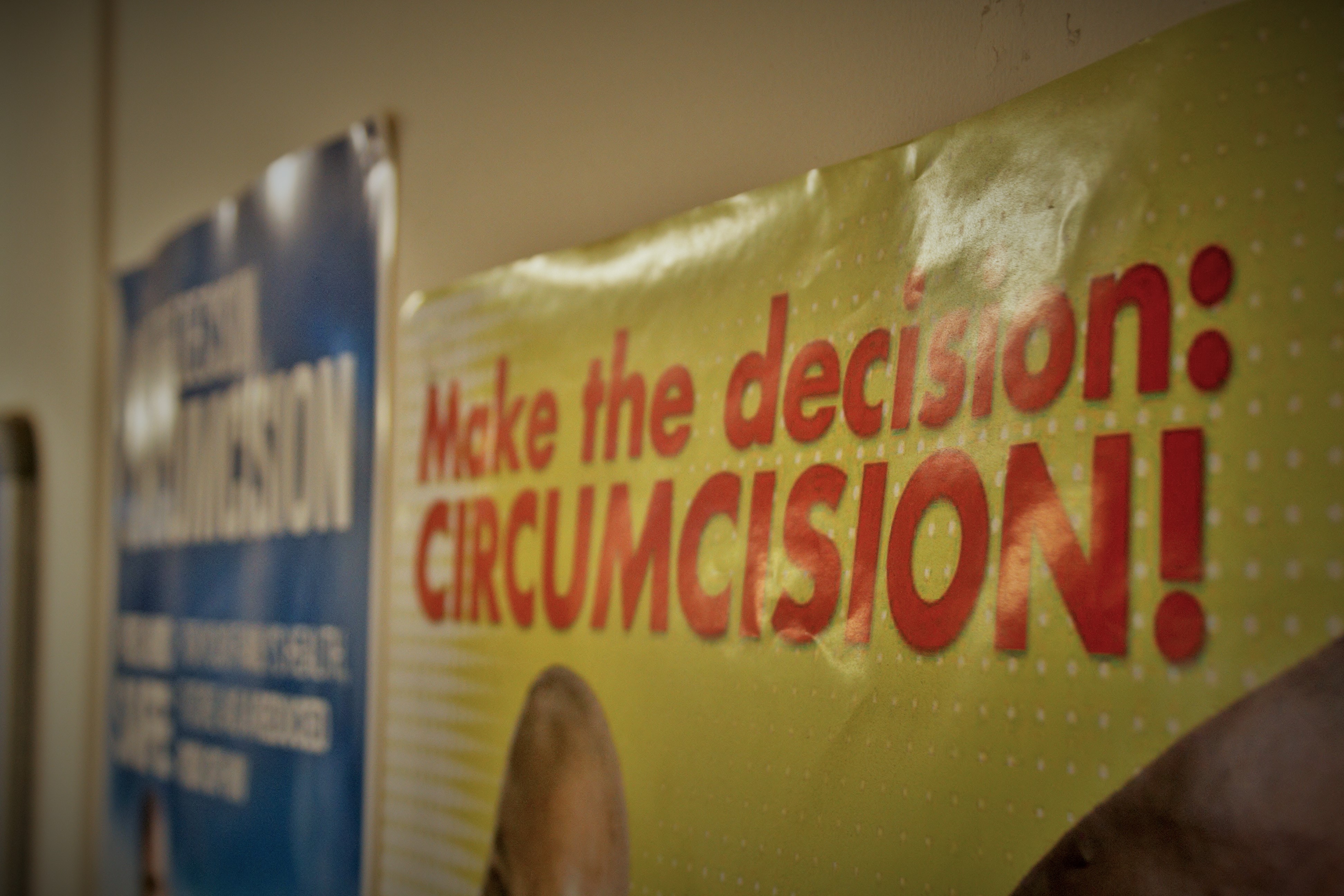
Amcare is part of the Government initiative to circumcise 80% of males between the ages of 15 and 49 by 2016. Circumcision reduces the chance of HIV transmission by up to 80% and based on this, should the Government achieve its goal, more than 1.2 million HIV infections could be averted and more than US$6.5 billion in HIV-related costs avoided.
Circumcision was never discussed in our household. Even in Sunday school, the pinnacle of teaching regarding circumcision, the teachers would circumnavigate their way around the issue and, quite frankly, who wouldn’t. The thought of a 90-year-old Abraham wielding a primitive knife on young men would have either produced fits of uncontrollable laughter or kept our parents awake at night as a result of our nightmares.
In my experience, most boys at school considered it an either-or scenario and not much was said about it. This is in stark contrast to several other cultures in South Africa. For some young men it’s a rite of passage, a do and possibly die scenario, that they have to complete to be considered a man.
The reality is that scores of young men die each year in South Africa due to botched circumcision operations, or they end up with septicemia which threatens the very manhood they were trying to attain.
South Africa is one of the most culturally diverse countries in the world and most South Africans would agree that maintaining our varied cultural heritage is not only important but critical to our future as a country, however, this should not cost men their procreative ability or their lives.
Thankfully Amcare in Alberton, Gauteng is pioneering a new non-surgical circumcision technology which could change the landscape of HIV transmission and save the lives of men and women in South Africa. The Prepex system is simple and easy to implement. Requiring no needles, no loss of blood, and minimal discomfort: the system is safe for a trained nurse or traditional doctor to perform.
Amcare offers the procedure completely free of charge and their facility has performed thousands of safe circumcisions. Cultural traditionalists are also changing their perception because of this new technology. Cathy from Amcare explained that the facility is often booked for a day where groups of young men needing circumcision, as part of their traditional ceremony, gather for the procedure which will potentially save many lives. Following the procedure, the young men leave to continue the traditional rituals they are required to, as stipulated by their traditional leaders.
It may take years for this system to infiltrate other provinces and to be accepted by other traditional leaders, but for now there is tangible hope for some young men in our country.
Login or Register with one of the options below